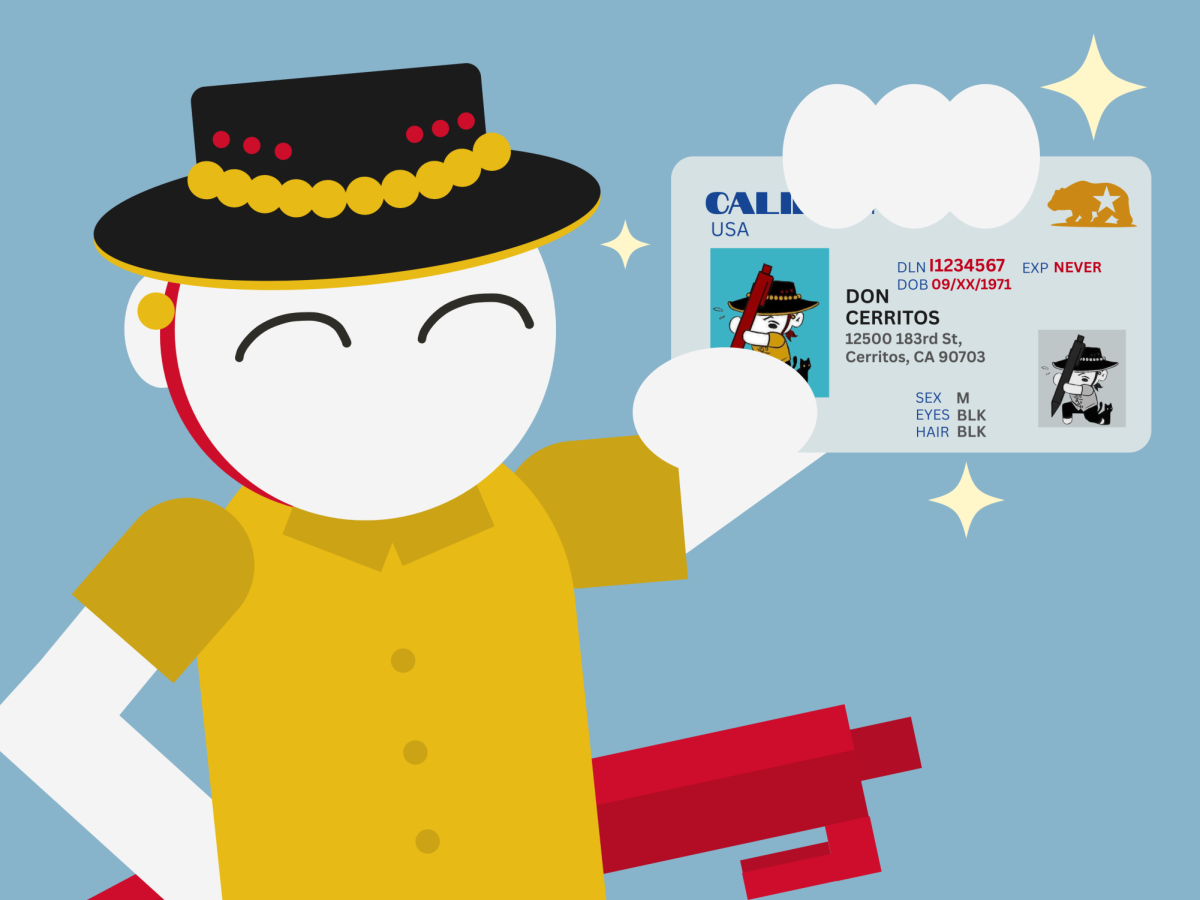
Getting a driver’s license is a big step for many teenagers, as it symbolizes their growth and maturity. Driving offers young people the chance to explore new places, meet friends, and manage their daily lives more easily. Beyond just transportation, driving provides practical benefits like getting to school or work on time– and it can be quickly achieved with enough effort.
Starting to drive in high school offers many benefits, such as convenience and independence, as students can travel without relying on parents or public transportation. It allows you to make it easier to attend extracurricular activities, jobs, and social events. It also helps with time management, as it allows students to set their own schedule. They can leave home whenever they need, accommodating to last minute plans or changes.
Also, learning safety and education for the road prepares them for adulthood. Learning to drive at a young age can establish safe driving habits such as obeying speed limits, and avoiding distractions. Driving prepares students by instilling responsibility and independence, while equipping them with essential skills like quick decision making.
Firstly, you’ll start by enrolling in an online or in-person classroom Driver’s Ed course, with 30 hours is required to get a Certificate of Completion. There, you’ll also learn about essential traffic laws, safety regulations, and driving techniques. When you’re 15 ½ years old, you can then apply for your learner permit after a visit to the DMV office to pass the vision exam, take your ID photo, and take the written knowledge test. To validate your permit, you must complete a behind the wheel training which is six hours of training with a professional instructor.
With a permit, you must have an adult 25 years old or older in the car. With a provisional license, you can’t drive between 11 p.m. and 5 a.m. or transport passengers under 20 years old for the first 12 months, unless accompanied by a licensed driver 25 years old and up.
You also have to practice driving and log 50 hours of practice, with 10 hours of night riding with an adult. Hold your permit for six months, complete all training, pass the DMV driving test, and you’ll be set for the road. Remember to bring proof of identity, residency, and your driver’s education completion certificate to the DMV.
Driving in high school provides essential benefits that enhance a student’s life. It promotes independence, improves time management, and helps develop important life skills. Overall, learning to drive prepares students for adulthood, making them more confident and responsible.