Fashion is meant to evolve with each new season and collection. New silhouettes and trends are meant to replace the past. But in recent years, the opposite has started to happen. Instead of looking forward to the newest releases, many are searching for pieces from the past. Archive clothing, a once-niche interest among a small group, consists of clothes that have gone out of production in favor of the newest piece. This movement is challenging how we view modern consumerism and is transforming the way clothing impacts our identities.
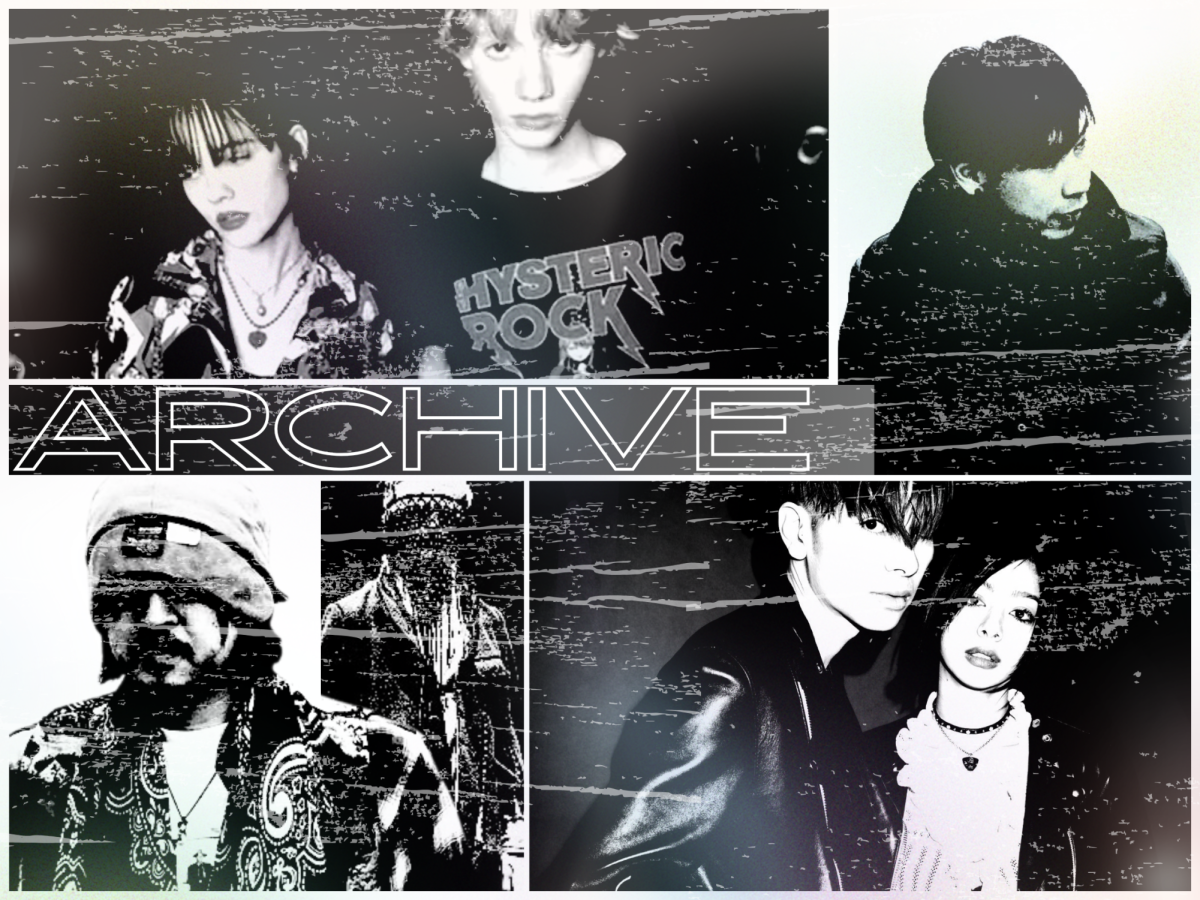
One of the most significant reasons for the archive’s popularity is the idea of getting your hands on a part of history. Many believe the allure of having something old is more interesting than something new. Take, for example, the brand Hysteric Glamour. Its demand surged in the 1990s and 2000s, mainly inspired by hippie culture, parody, and vibrant colors. After its peak, it died down as trends moved away from a colorful aesthetic. However, it’s recently begun to come back, with over 70,000 active listings on the buying and selling website Grailed. Some pieces are listed at upwards of $10,000. Collectors and fashion enthusiasts are willing to pay the price if it allows them to upgrade their wardrobe. However, instead of viewing clothes as just a cool piece, many see them as an investment.
The market for archive pieces has existed for years, but has recently exploded, with resellers gathering hundreds of thousands of followers on Instagram. With resellers having hundreds of thousands of followers on Instagram. One example is controversial seller CryByNoon Archive, known for his high prices and wide variety of rare clothes. Some believe that the seller purposefully marks up prices on all items to make a profit. The issue of overpriced items is common when talking about reselling. Why pay these prices for items that have already been used?
Part of the answer lies in the popularity of the culture surrounding the exclusivity of these clothes. Many artists and people in the music scene often wear rare pieces that immediately gain attention online. Their aesthetic becomes closely associated with these clothes, influencing younger audiences to replicate the same look. Forgotten pieces of clothing suddenly become a must-have item.
Modern fashion houses are actively responding to the demand for these pieces. A notable example is the renewal of the Maison Margiela Futures, sneakers that were once seen as unattainable. The brand capitalized on the hype and brought them back. Labels are also experiencing the same revivals. The brand Number Nine defined early 2000s fashion in Japan, mainly due to creative director Takahiro Miyashita. After more than a decade of working on his own brand, Miyashita returned to Number Nine. Even large luxury houses are looking to their own archive for inspiration. Designers are going back to past eras and adapting them for current audiences. Gucci’s current creative director, Demna, is bringing back Tom Ford’s iconic, sleek, and glamorous style with the looks found in his first collection. Through AI-generated campaigns, Denma is signaling that this era is the future. His combination of the past fashion and the present world only emphasizes society’s desire for innovation through familiarity.
These revivals reflect the fashion industry’s inevitable cycle. Trends don’t disappear, instead, they are recycled into something that is desirable for modern audiences. Even though clothes may not be in production, it’s obvious that they are still in very high demand. The clothes that defined the past are now shaping the tastes of future fashion, proving that the past is never truly forgotten. In fashion’s continuous cycle, the “old” is always the next big thing.